 Checking travel companies, contracts and refunds before you book
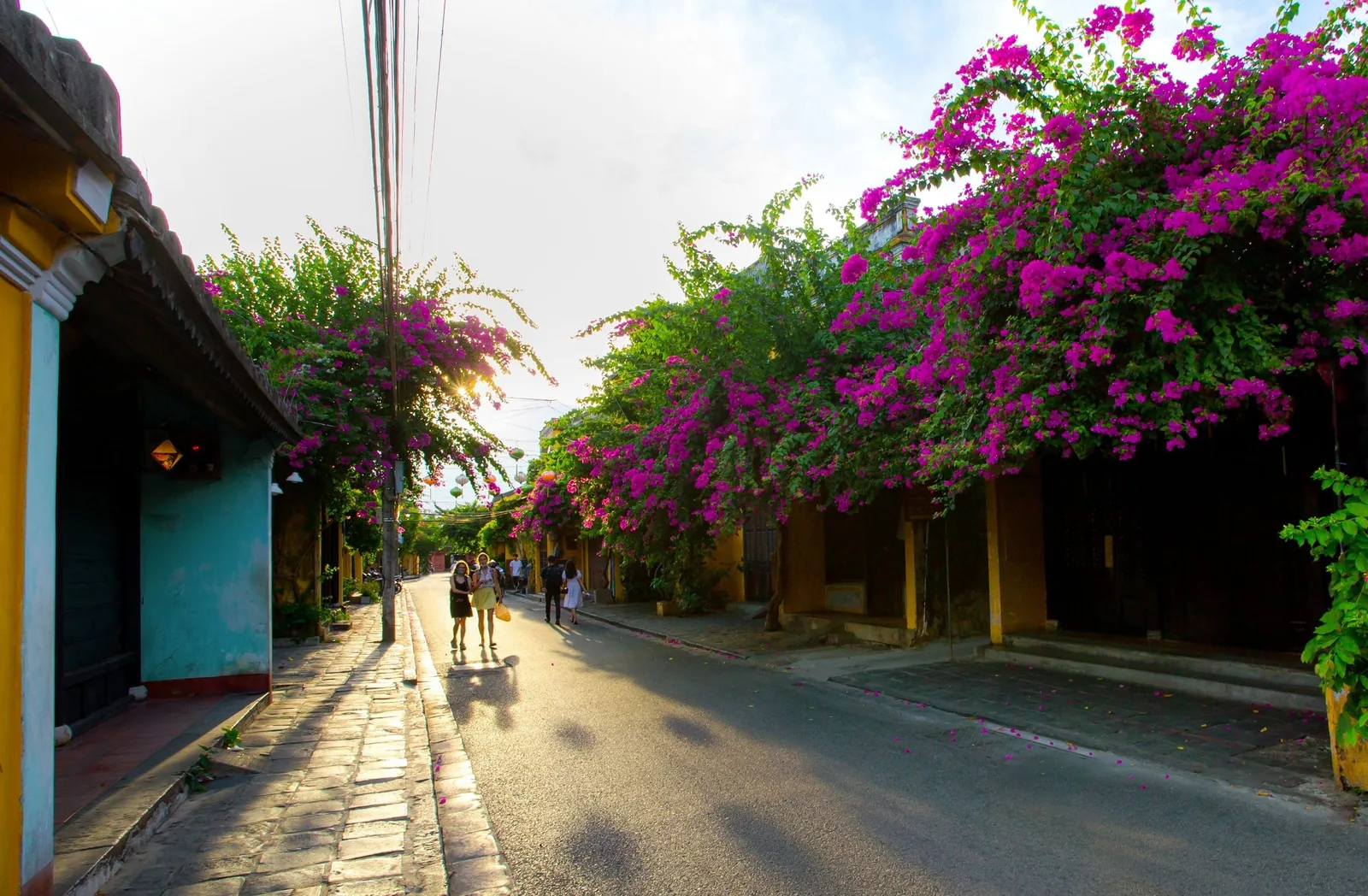
Independent guide for travellers
Check the company before you pay for the tour
An independent guide for travellers choosing a travel agent or tour operator in Vietnam, with short pages on Thailand, Cambodia and Laos: how to verify a licence on the official register, what a contract must say, how deposits and refunds work, what insurance covers, and where to complain.
Contents
Start with the question you have
Most problems with tours in Vietnam start before the trip, at the moment someone pays a company they have not checked. This guide is organised around the checks that would have caught those problems, in the order you would run them.
Is the company licensed?
Vietnam keeps a public register of licensed travel businesses. How to search it, what the licence number means and what a licence does not prove. Check a licence.
Agent, operator or platform?
Who you are really contracting with when you book through an agent, a hotel desk or an overseas website. Agents and operators.
Red flags online
Copied websites, bought social media pages, reviews that read alike and payment to personal accounts. See the red flags.
Contract and confirmation
The five items Vietnamese law requires in a travel contract, and what a confirmation should add. Read the checklist.
Deposits and refunds
What you can realistically get back after a cancellation, a no-show company or a scam. Refunds and chargebacks.
Insurance on a tour
The insurance an operator must buy for you, and why it is not the same as your own policy. Insurance for tours.
Licensed guides
Three kinds of guide card, how to check one online, and what a guide must carry. Tour guide cards.
How to complain
The order of channels that works, from the company to the tourism authority and consumer protection. Complaint routes.
Private or group?
What changes, and what does not, between a private tour and a set-departure group. Compare the two.
Five checks before you send any money
- Find the company on the official register. The Vietnam National Authority of Tourism publishes licensed international and domestic travel businesses at quanlyluhanh.vn, searchable in English by name, licence number and province.
- Match the names. The company on the register, the company on the contract and the account holder you pay should be the same legal entity.
- Get a written contract. The Law on Tourism requires travel contracts to be in writing and to cover services, price and payment, force majeure, changes and cancellation, and insurance.
- Pay in a way you can dispute. A card payment to the company can be challenged through your card issuer. A transfer to a personal account usually cannot.
- Check the insurance on both sides. The operator must insure you during the programme unless you are already insured for all of it; your own policy has to cover the activities on the itinerary.
Sources: Vietnam National Authority of Tourism — travel business register, English version; Law on Tourism 2017, Article 39 — travel contracts; Law on Tourism 2017, Article 37 — duties of travel businesses; Sai Gon Giai Phong — cheap tours and fake combos, June 2025 · last checked .
What Vietnamese law requires of a travel company
The rules come mainly from the Law on Tourism, number 09/2017/QH14, in force since 1 January 2018. It separates two licences. A domestic licence covers services for domestic tourists. An international licence covers visitors arriving in Vietnam and Vietnamese travelling abroad, and lets the holder sell domestic travel too. Companies with foreign investment may only serve inbound visitors.
Both licences require a company registered under enterprise law, a deposit held at a bank, and a person in charge with qualifications in travel management. A travel agent does not hold a licence of its own: it sells the programmes of a licensed company for commission, under a written agency contract, and the travel contract is then between you and that licensed company.
Guides need a card. There are international, domestic and on-site cards, and guides must wear them while working. The national guide database lets anyone check a card number and expiry date.
Sources: Law on Tourism 2017, Article 30 — scope of travel licences; Law on Tourism 2017, Article 31 — conditions for travel businesses; Law on Tourism 2017, Article 40 — travel agents; Law on Tourism 2017, Article 58 — types of tour guide card; Law on Tourism 2017, Article 65 — rights and duties of guides; Vietnam National Authority of Tourism — tour guide database · last checked .
How this guide works
Every block that contains a rule, a number or a list that can change has a source line under it with a date marked "last checked". That is the day an editor read the source, not the day the page was built. Laws and decrees come first, then the official registers, then government notices, then foreign ministry travel advice. Law firm explainers and news reports are used where the official text is silent, and are labelled.
Tourist Agent does not sell tours, does not take bookings, and does not name, list or rate travel companies. If a page needs an example, it describes a type of seller, not a business. The aim is that you can run the checks yourself on any company you are considering, including one recommended to you by someone else.
Who this guide is not for
- People looking for a company recommendation. We do not give one, and the register is a better starting point than any list.
- Businesses applying for a travel licence. The pages explain what a licence means to a traveller, not how to obtain one.
- Anyone who needs legal advice on a dispute already in progress. The complaint page lists official channels; a lawyer can tell you which one fits your case.
- Readers who want detailed destination guides. These pages stay with companies, contracts and money.
Common questions
Questions readers ask
Is Tourist Agent a government website?
No. It is an independent guide. It links to the official register of travel businesses and the guide database run by the Vietnam National Authority of Tourism so you can check companies yourself.
Can you tell me which travel company to use?
No. The guide does not recommend, list or rate companies. It explains how to check any company you are considering, using official sources.
Does a licence mean a company is good?
It means the company met the legal conditions when the licence was issued and has not been listed as revoked. It says nothing about service quality or safety standards, which you still need to judge.
How current is the information?
Each section that can change shows a "last checked" date. This edition was checked on 26 October 2026. If something has changed, the contact page explains how to tell us.
Related
Read next

Before you book
Check a licence
Step-by-step check of a travel company on the official VNAT register, with licence number formats and limits.

Before you book
Red flags
The scam patterns official warnings describe, a table of red flags, and what to do if you have already paid.

Paperwork
Contract and confirmation
The five items the Law on Tourism requires in a travel contract, plus what a good confirmation adds.

Money
Refunds
How deposits, cancellation charges, refunds and card disputes work, and what is realistic in each case.
When something goes wrong
Complaints
The order of complaint channels in Vietnam, what each one handles, and what to put in your complaint.

Money
Insurance
The operator's legal insurance duty, what your own policy should cover, common exclusions and how claims work.
Start planning
Send a correction or a question
Tell us which page and which line, what you found instead, and when. A link to an official source helps us check it. Tourist Agent does not sell tours, does not take bookings and does not pass your details to any travel company.